
A summer ride through California can be hard to resist. Maybe you’re planning a trip from Los Angeles along the Pacific Coast Highway, heading toward Malibu, riding through Angeles Crest, or taking the I-5 toward your next destination. The weather looks perfect, your motorcycle is ready, and the road ahead promises adventure.
But even experienced riders can encounter unexpected motorcycle road hazards that affect traction, visibility, and control in a matter of seconds. Loose gravel, potholes, construction zones, debris, sudden weather changes, and wildlife can quickly turn a relaxing ride into a dangerous situation.
Before your next summer road trip, it helps to know what hazards to expect and how to prepare for them. In this guide, we’ll cover common road surface dangers, construction and weather-related risks, animals and roadway debris, pre-trip safety checks, and when negligence may become a factor after a motorcycle accident.
Why Summer Riding Increases Exposure to Motorcycle Road Hazards
Summer is one of the busiest riding seasons in California. While longer days create more opportunities for a summer road trip, they also increase exposure to common motorcycle road hazards.
Summer riding often means:
- Heavier traffic and tourism activity
- More road construction zones
- Increased roadway debris
- Longer rides and more time on unfamiliar roads
According to the California Office of Traffic Safety (OTS), 583 motorcyclists were killed in traffic crashes across California in 2023.
The takeaway is simple: preparation matters. Understanding potential hazards before you ride can help reduce risk and make every trip safer.
Road Surface Hazards Riders Should Watch For
Some of the most common motorcycle road hazards are not other vehicles—they are the road conditions beneath your tires. Unlike cars, motorcycles rely on a smaller contact patch with the pavement, making them more sensitive to sudden surface changes.
Watch for:
- Potholes
- Loose gravel
- Sand or gravel on pavement
- Pavement cracks
- Edge breaks between roadway surfaces
- Rough roads and uneven pavement
These hazards can reduce traction, affect stability, and make it harder to maintain control—especially when cornering, braking, or riding at highway speeds. A surface defect that feels minor in a car can create a serious problem for a motorcycle rider.
Construction and Infrastructure Hazards During a Summer Road Trip
Summer often brings more road construction zones and infrastructure repairs across California highways. These conditions can create unexpected motorcycle road hazards, especially on unfamiliar routes during a summer road trip.
Watch for:
- Road construction zones
- Steel plates
- Expansion & bridge joints
- Utility access points
- Uneven lanes
- Railroad tracks
According to the Federal Highway Administration (FHWA), motorcyclists face increased risks from infrastructure hazards such as potholes, steel plates, loose gravel, and work-zone drop-offs. These conditions can affect stability, steering, and traction, making it important to reduce speed and scan the roadway well ahead of your motorcycle.
Weather-Related Motorcycle Road Hazards
Even a brief summer rainstorm can create serious motorcycle road hazards. Water, oil, and smooth roadway surfaces can combine to reduce traction when riders least expect it.
Watch for:
- Wet pavement
- Water pooling
- Hydroplaning risk
- Slick surfaces
- Slippery painted road markings and crosswalk lines
- Oil spots that surface after a rainstorm
These conditions can make braking, turning, and accelerating more difficult for motorcycle riders. When the weather changes, reducing speed and increasing following distance can help maintain control and improve motorcycle safety.
Unexpected Hazards: Debris, Animals, and Traffic Behavior
Not all motorcycle road hazards come from the pavement itself. Some of the most dangerous situations develop suddenly, leaving riders with little time to react.
Stay alert for:
- Debris in the roadway
- Furniture or objects falling from vehicles
- Deer or other animals near canyon roads
- Sudden traffic slowdowns
- Distracted drivers making unexpected lane changes
These hazards are common on routes such as Pacific Coast Highway near Malibu, Angeles Crest Highway, and in heavy-traffic corridors like the I-10 and I-405. Scanning farther ahead and maintaining a safe following distance can give riders more time to identify hazards and react safely.
Pre-Ride Safety Checklist Before You Leave
A few minutes of preparation can help reduce the risk of encountering preventable motorcycle hazards on the road during your ride. Before starting your motorcycle, perform a quick safety check to make sure both you and your bike are ready for the road.
Review the following:
- Tire pressure and tire tread condition
- Fluid levels
- Lights and turn signals
- Brakes and suspension performance
- Proper protective gear and reflective material
- A DOT-compliant motorcycle helmet
According to NHTSA motorcycle safety recommendations, riders should inspect their motorcycle before every ride and always wear a DOT-compliant helmet. Small issues discovered before departure can help prevent larger problems on the road.
When Road Hazards May Create Liability After a Motorcycle Accident
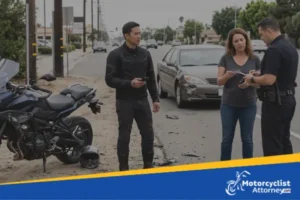
Not every motorcycle accident caused by a road hazard leads to liability. Some conditions are sudden or unavoidable. However, others may result from negligence by private individuals, construction crews, a government agency, or other public entities responsible for roadway maintenance or safety.
When a crash occurs, important evidence may include:
- Photos of the hazard and accident scene
- Witnesses and witness statements
- Hazard reports or maintenance records
- The police report
- Accident reconstruction findings
Preserving this information early can help clarify what happened and whether another party may share responsibility for the crash.
When to Contact a Motorcycle Accident Lawyer in Los Angeles
Most motorcycle road hazards can be avoided through preparation and safe riding habits. However, legal questions may arise when a crash is caused by a negligent driver, unsafe road conditions, or poorly maintained roadway.
Consider speaking with a motorcycle accident lawyer in Los Angeles if:
- A road hazard caused serious injuries
- You face significant medical bills
- Insurance companies dispute fault or liability
- Dangerous road conditions contributed to the crash
- You need help evaluating a motorcycle accident claim
Whether an accident occurs on the I-405, I-10, Pacific Coast Highway, or another California roadway, acting promptly can help preserve evidence, protect your rights, and avoid issues related to the statute of limitations.