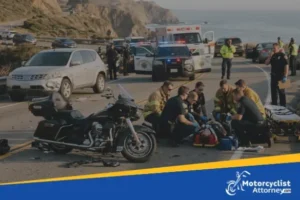

Motorcycles offer little physical protection when a rider collides with a vehicle, strikes the pavement, or is thrown from the bike. As a result, broken bones in a motorcycle crash may involve far more than a simple fracture and a few weeks of rest.
A rider may need emergency transportation, surgery, hospitalization, physical therapy, assistive devices, and be away from work for months. Some fractures may also affect mobility, grip strength, balance, or the ability to return to riding.
For California motorcyclists, the financial impact can affect the entire household. Medical bills may arrive while income decreases, leaving riders and their families uncertain about how they will pay everyday expenses.
Understanding the compensation available through a personal injury claim can help riders make informed decisions about treatment and recovery.
Learn more about the broader motorcycle accident claims process before speaking with an insurance company.
Common Broken Bones Among Injured Riders
The type and severity of a fracture depend on the crash dynamics, speed, protective equipment, and point of impact.
Motorcycle accidents commonly cause fractures involving the:
- Arms and wrists
- Hands and fingers
- Legs and ankles
- Feet and toes
- Ribs
- Collarbone
- Pelvis
- Hips
- Facial bones
- Vertebrae
Fractures may be closed, meaning the bone does not break through the skin, or open, meaning the broken bone creates an external wound. Open fractures may require urgent surgery because of the risk of infection and damage to nearby tissue.
More serious injuries may involve multiple fractures, crushed bones, nerve damage, internal bleeding, or complications requiring several procedures. Riders may also suffer road rash, traumatic brain injuries, or spinal injuries during the same collision.
The National Highway Traffic Safety Administration explains that motorcycles lack the protective structure that passenger vehicles provide. Riders, therefore, face distinct safety risks during a collision.
What Compensation May Be Available?
Compensation for broken bones in a motorcycle crash depends on the severity of the injury, available insurance coverage, liability, treatment needs, and the effect on the rider’s daily life.
A California motorcycle injury claim may include the following categories of damages:
Type of compensation | Examples |
Past medical expenses | Ambulance care, surgery, hospital stays, imaging, medication, and therapy |
Future medical costs | Additional procedures, rehabilitation, pain management, and medical equipment |
Lost income | Wages lost while attending appointments or recovering |
Reduced earning capacity | Long-term limitations that affect future employment |
Pain and suffering | Physical pain, discomfort, and reduced quality of life |
Emotional distress | Fear, anxiety, sleep problems, or emotional trauma |
Property damage | Motorcycle repairs, replacement costs, helmet, and damaged riding gear |
Household assistance | Help with childcare, transportation, cleaning, or personal care |
Compensation is not automatic, and no two claims have the same value. A displaced wrist fracture requiring surgery may affect a rider differently from a complex pelvic fracture that prevents the person from returning to work.
The claim should reflect the rider’s actual losses rather than relying only on the initial hospital bill.
How Medical Evidence Affects a Claim
Medical documentation helps connect the collision to the rider’s injuries. It also shows the treatment required and how the fractures affected recovery.
Important evidence may include:
- Emergency room records
- X-rays, CT scans, and MRI results
- Surgical reports
- Orthopedic evaluations
- Physical therapy notes
- Prescription records
- Medical bills
- Work restrictions
- Disability assessments
- Recommendations for future treatment
Riders should attend appointments and explain their symptoms honestly. Missing care without a documented reason may allow an insurer to argue that the injury was less serious or that the rider failed to follow medical advice.
Keeping a written recovery journal may also help. Riders can record pain levels, sleep problems, mobility limitations, missed family activities, and tasks they can no longer complete independently.
Why the Police Report Is Critical in a California Motorcycle Accident Claim
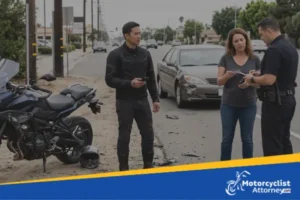
A police or traffic collision report may provide an early record of what happened. It can identify the drivers, vehicles, insurance carriers, witnesses, roadway conditions, and possible traffic violations.
The report may also include:
- The crash date, time, and location
- Statements from the parties
- Witness contact information
- A diagram of the collision
- Vehicle damage observations
- Weather and lighting conditions
- Citations issued at the scene
- The officer’s initial assessment
A report does not automatically determine legal fault. Insurance companies, attorneys, and courts may consider photographs, video, physical evidence, witness testimony, and expert analysis in addition to the officer’s findings.
However, the report can help preserve information that may otherwise be lost. A witness may move, forget details, or become difficult to locate. Road debris may be removed, and surveillance footage may be deleted.
The California Highway Patrol allows eligible parties involved in a crash and authorized representatives to request a copy of a CHP crash report. Riders should review the report carefully and promptly address factual mistakes.
A police report may be especially important when seeking compensation for broken bones in a motorcycle crash, because insurers may dispute how the collision occurred or claim the rider caused the accident.
How Fault Can Affect Compensation
California follows a pure comparative negligence system. This means an injured rider may still recover compensation even when partially responsible, but the recovery may be reduced by the rider’s assigned percentage of fault.
For example, suppose a driver made an unsafe left turn while a motorcyclist was traveling slightly above the speed limit. If the rider’s total damages were assessed at $200,000 but the rider was found 20% responsible, the recoverable amount could be reduced to $160,000.
Insurance companies may attempt to shift blame by arguing that the rider:
- Was speeding
- Was lane splitting unsafe
- Was not visible
- Followed too closely
- Made an improper lane change
- Failed to wear appropriate protective gear
These arguments should be examined in light of the full evidence. Vehicle damage, skid marks, traffic-camera footage, phone records, and accident reconstruction may reveal what actually happened.
California generally gives an injured person two years from the date of injury to file a personal injury lawsuit. Different rules and shorter claim deadlines may apply when a public agency or government vehicle is involved.
What Riders Should Do After a Crash
Your safety and medical needs should come first. When possible, take the following steps:
- Call 911 and request medical help
- Move to a safe location when doing so will not worsen an injury
- Report the collision to law enforcement
- Photograph the scene, vehicles, road, and visible injuries
- Collect witness names and contact details
- Obtain the other driver’s license and insurance information
- Seek a medical examination, even if symptoms initially seem manageable
- Preserve your motorcycle, helmet, clothing, and riding gear
- Avoid giving recorded statements before understanding your rights
- Track your bills, appointments, missed work, and recovery
Do not post detailed descriptions, photographs, or updates about the crash on social media. Insurers may review public content and use it to challenge the seriousness of an injury.
How a Los Angeles Motorcycle Accident Lawyer Can Help
Fracture cases can become complicated when an insurer disputes fault, questions medical treatment, or offers a settlement before the rider understands the long-term outcome.
A Los Angeles motorcycle accident lawyer may help by:
- Investigating the collision
- Obtaining the police report
- Preserving surveillance and traffic-camera footage
- Interviewing witnesses
- Reviewing medical records
- Consulting accident reconstruction or medical experts
- Identifying all available insurance policies
- Calculating past and future losses
- Handling insurer communications
- Negotiating a settlement
- Preparing the case for trial when necessary
Accepting an early settlement may prevent a rider from later requesting additional compensation, even if another surgery becomes necessary. Legal review can help ensure that future treatment, reduced earning capacity, and lasting limitations are considered before a claim is resolved.
Explore how our motorcycle accident legal team supports injured California riders.