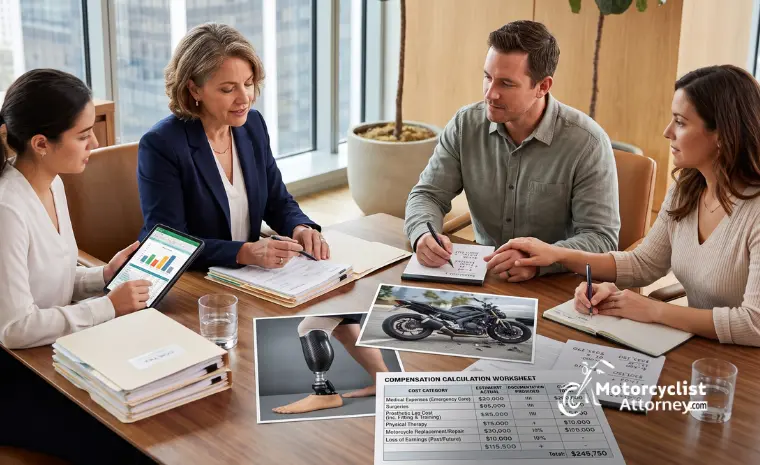
A severe ride can change your future within seconds. An amputation after a motorcycle accident may leave a rider facing surgery, rehabilitation, reduced mobility, career disruption, and significant financial pressure. Unlike occupants inside passenger vehicles, riders have little protection from direct impact, crushing forces, or road contact.
The injured person may need lifelong care, prosthetic replacements, home modifications, and assistance with routine activities. When another party caused the collision, California’s civil justice system may provide compensation for these losses. The first step is to identify who may be legally responsible and to document the full extent of the injury.
Why Motorcycle Crashes Can Lead to Amputation
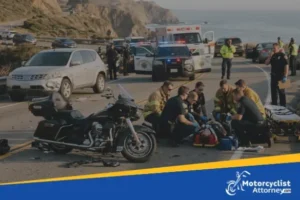
A motorcycle rider may suffer catastrophic leg, foot, arm, or hand trauma during a motorcycle collision. Direct contact with a vehicle, guardrail, or pavement can crush bones and damage blood vessels, nerves, muscles, and surrounding tissue.
Head-on collisions, left-turn accidents, and unsafe lane changes may be especially dangerous. A driver may fail to check blind spots, misjudge the motorcycle’s speed, or turn across the rider’s path.
Other common causes include:
- Distracted driving
- Speeding or reckless driving
- Distracted or impaired drivers
- Sudden lane changes
- Failure to yield
- Defective motorcycle components
- Dangerous road conditions
California permits lane splitting, which means riding between rows of stopped or moving vehicles in the same lane. However, its legality does not eliminate all risks or automatically determine fault after a crash. Drivers must still follow traffic laws and should not intentionally block riders.
When Is Amputation Medically Necessary?
Doctors generally consider amputation when a limb cannot be safely preserved or when keeping it would place the patient’s life or health at greater risk. The decision may follow extensive testing, surgery, and consultation among trauma, vascular, and orthopedic specialists.
Amputation may become necessary when an injury causes:
- Irreparable blood vessel damage
- Severe crushing or tissue loss
- Uncontrolled infection
- Extensive nerve destruction
- An unsalvageable open fracture
- Loss of circulation that threatens healthy tissue
A prompt medical evaluation is critical after serious motorcycle accident injuries. Some circulation problems or infections may worsen after the initial emergency response.
According to data published by the National Library of Medicine, about 150,000 people in the United States undergo lower-limb amputations each year. Although amputations have several medical causes, traumatic injuries remain a recognized cause of major limb loss.
Who May Be Liable for the Rider’s Injuries?
A successful personal injury case requires evidence that another person or business owed a duty of care, breached that obligation, and caused measurable harm.
Potentially responsible parties may include:
Responsible party | Possible basis for liability |
Passenger vehicle driver | Failure to yield, unsafe turn, or careless driving |
Commercial driver or employer | Negligent operation, training, or supervision |
Government entity | Dangerous roadway design or poor maintenance |
Motorcycle or parts manufacturer | Defective brakes, tires, or other components |
Repair shop | Negligent inspection or repair work |
California law generally requires people to use reasonable care to avoid harming others. Violations involving right-of-way rules, signals, or other traffic safety requirements may support a finding of negligence.
The rider’s conduct may also be reviewed. Under comparative negligence, compensation can be reduced according to the injured person’s percentage of fault rather than automatically barred.
For example, insurance companies may argue that the rider was traveling too fast or splitting lanes unsafely. A Los Angeles motorcycle accident lawyer can challenge unsupported allegations by examining roadway conditions, vehicle positions, and witness accounts.
What Compensation May Be Available?
No fixed amount applies to an amputation after a motorcycle accident. The value depends on the affected limb, level of loss, age, occupation, recovery outlook, available coverage, and effect on daily life.
A personal injury claim may seek both financial and personal losses.
Financial losses
Economic damages may include:
- Medical expenses and outstanding medical bills
- Prosthetic devices and future replacements
- Rehabilitation and ongoing medical treatment
- Mobility equipment and home modifications
- Lost wages and reduced earning capacity
- Transportation and in-home assistance
- Motorcycle repairs or other property damage
Personal losses
Compensation may also address pain, emotional distress, disfigurement, reduced mobility, loss of independence, and diminished enjoyment of life.
Medical records, employment documents, expert projections, and testimony about daily limitations can help establish these losses. A personal injury lawyer may consult physicians, rehabilitation specialists, economists, or vocational experts when calculating future needs.
Steps to Protect a Potential Claim
The actions taken after a motorcycle crash on busy Los Angeles roads, such as the 405 Freeway, Sunset Boulevard, or streets near Downtown Los Angeles, can affect both recovery and the legal process.
When physically able, injured riders or their families should:
- Seek emergency care: Follow every recommendation and attend scheduled appointments
- Preserve evidence: Save damaged riding gear and other Physical Evidence
- Document the location: Obtain Photos of the crash scene, roadway markings, debris, and vehicle damage
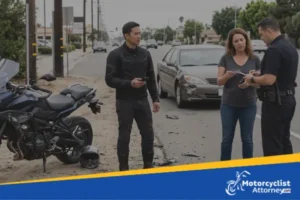
- Request official documents: Secure police reports and available emergency records
- Locate recordings: Identify nearby cameras, dashcams, and relevant Video Footage
- Track losses: Keep invoices, pay statements, receipts, and a recovery journal
- Limit insurer discussions: Insurance adjusters may request statements before the full prognosis is available
- Get legal guidance: Speak with motorcycle accident lawyers before accepting a settlement or signing a release
The injured party should normally file a claim within the applicable deadline. California Code of Civil Procedure Section 335.1 generally provides two years for an injury lawsuit, although government claims and other circumstances may involve much shorter requirements.
How Legal Representation Can Help
Serious motorcycle accident cases require more than collecting hospital invoices. Personal injury attorneys may investigate the accident scene, obtain vehicle data, interview witnesses, preserve camera recordings, and determine whether distracted driving contributed to the impact.
A Los Angeles motorcycle accident attorney may also assess whether a driver made an unsafe turn or failed to account for a motorcycle during lane changes.
An experienced Los Angeles motorcycle accident lawyer can:
- Identify all available insurance coverage
- Work with medical and financial experts
- Calculate future care and earning losses
- Address unfair blame directed at an injured motorcyclist
- Negotiate or prepare the case for trial
- Explain available legal options at each stage
Many firms handle motorcycle accident cases through a contingency fee arrangement. This generally means clients do not pay attorney legal fees upfront, and the fee is collected from a successful recovery.