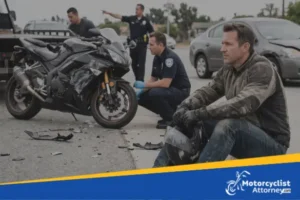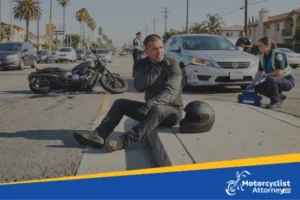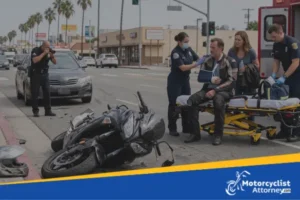
Imagine riding along the I-405 or Pacific Coast Highway when a sudden motorcycle crash sends you to the hospital. After emergency imaging and treatment, you may wonder whether you will walk again, return to work, or regain your independence.
Those questions often begin with understanding the injury itself. A spinal cord injury after a motorcycle crash can disrupt communication between the brain and the body, affecting movement, sensation, and other essential functions that may also lead to long-lasting medical complications, emotional distress, lost income, and complex legal decisions.
Why Motorcycle Riders Face a Higher Risk of Spinal Cord Injury
According to the National Highway Traffic Safety Administration (NHTSA), motorcycle riders have no enclosed frame, seat belt, or airbag to absorb the force of a collision. A rider may be thrown from the motorcycle or strike another vehicle, the pavement, or a concrete barrier.
Common injury mechanisms include:
- Direct impact on the neck or back
- Violent twisting or compression of the spine
- Being ejected from the motorcycle
- Landing headfirst or on the upper body
These forces can fracture vertebrae or create serious damage to the spinal cord.
How Spinal Cord Injuries Change Daily Independence
For injured California motorcycle riders, the long-term impact often appears in everyday routines. Tasks that once felt automatic may require assistance, adaptive equipment, or major lifestyle changes.
These challenges may affect:
- Bathing and dressing
- Driving or transferring into a vehicle
- Using stairs
- Caring for children
- Cooking and household activities
- Using wheelchairs or other mobility devices
- Modifying a home or vehicle
Accident victims who lose independence in these areas can experience a loss of overall quality of life, confidence, family roles, and employment opportunities.
Rehabilitation and Future Medical Care
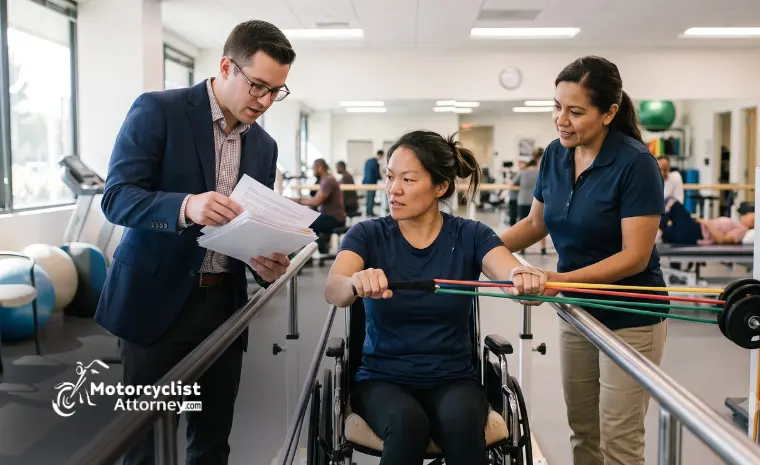
Rehabilitation can help injured riders improve function, build independence, and adapt to lasting physical changes. Depending on the severity of the injury, future care may include:
- Inpatient rehabilitation
- Physical and occupational therapy
- Pain management
- Medical equipment
- Attendant or custodial care
- Future surgeries and specialist visits
However, rehabilitation does not guarantee complete neurological recovery. The National Institute of Neurological Disorders and Stroke (NINDS) explains that spinal cord injuries may cause long-term or lifelong limitations in movement, sensation, strength, and other essential bodily functions.
Emotional, Family, and Relationship Effects
A spinal cord injury can affect far more than physical health. Injured riders may experience anxiety, depression, emotional distress, or grief over lost independence.
The injury can also change:
- Intimate relationships
- Family responsibilities
- Social activities
- Caregiver roles
- Enjoyment of daily life
Partners and relatives may face added stress as they adjust to new responsibilities. In some cases, the injured person’s spouse may also have a loss of consortium claim based on the impact on companionship and intimacy.
Work, Lost Wages, and Lifetime Financial Loss
In motorcycle accident cases, spinal cord injuries and Traumatic Brain Injuries can disrupt an injured rider’s career, reduce long-term earning capacity, and create medical and financial costs that continue for decades.
Loss Category | Examples |
Current losses | Medical bills, lost wages, property damage |
Future losses | Rehabilitation, long-term care, and medical treatment |
Earning losses | Reduced earning capacity, lost future wages |
Human losses | Pain and suffering, disability, loss of enjoyment of life |
A motorcycle accident attorney can analyze these losses using medical records, employment history, life-care plans, and expert evaluations to pursue compensation that reflects both current needs and future financial harm.
How Long-Term Effects Influence a California Personal Injury Claim
In California, the value of a personal injury claim may reflect both current losses and the long-term consequences of a spinal cord injury. Depending on the facts of the case, compensation may cover:
- Medical expenses and future treatment
- Lost wages and reduced earning capacity
- Home or vehicle modifications
- Pain and suffering
- Disability or disfigurement
How Injured Riders Can Prove Long-Term Spinal Injury Damages
Receiving compensation requires more than showing that a motorcycle crash occurred. The injured rider must connect the collision, the spinal cord injury, and each claimed loss through reliable evidence.
Important documentation may include:
- Medical records and diagnostic imaging
- Police reports and accident scene evidence
- Accident reconstruction findings
- Expert medical opinions
- Employment and wage records
- Life-care plans and future treatment projections
Together, this evidence helps establish liability, document the injury’s long-term effects, and support the full value of the claim.
How a Los Angeles Motorcycle Accident Attorney Can Protect the Future
After a serious motorcycle collision on the I-405, I-10, PCH, or elsewhere in Los Angeles County, protecting an injured rider’s future requires more than paying current medical bills. Under California law, the injured party must understand how traffic laws, insurance coverage, and evidence may affect the claim.
Navigating the legal process early can help preserve important rights, clarify available legal options, and support a demand for compensation that reflects both immediate losses and future needs.
A personal injury attorney can help you by:
- Preserving accident scene evidence
- Proving fault
- Coordinating physicians and rehabilitation experts
- Calculating future medical and income losses
- Identifying available insurance coverage
- Challenging inadequate settlement offers from insurance companies
At Motorcyclist Attorney, Southern California motorcycle accident cases are handled on a contingency fee, so legal fees are generally paid only if compensation is recovered.