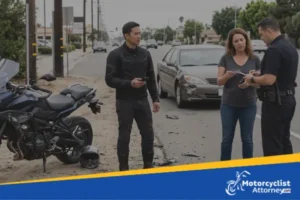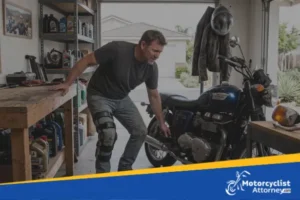

A collision can leave effects that are not visible on an X-ray. Emotional trauma after a motorcycle crash may include fear of riding, nightmares, anxiety, irritability, or a sense of danger. For California riders on I-5 in San Diego, US-101 in San Jose, or Sunset Boulevard in Los Angeles, these symptoms can disrupt work, relationships and recovery long after the road is cleared.
California law may allow documented emotional harm to be considered when another party caused the collision. Understanding what qualifies, how it is documented, and how insurers evaluate it can help protect a claim.
Common Types of Emotional Trauma After a Motorcycle Accident
Such collisions can cause psychological trauma even when physical injuries receive early attention. Riders may experience post-traumatic stress disorder (PTSD), anxiety, depression, fear of traffic, or panic when returning to the road.
Signs include:
- Sleep disturbances, nightmares, or poor concentration
- Emotional outbursts, irritability, or withdrawal
- A shift in personality or daily behavior
- Fear linked to motorcycle riding
- Intrusive memories or heightened emotional reactions
Head injuries, spinal cord injuries, chronic pain, and other medical problems can intensify distress. Family members may be among the first to notice changes.
What Research Says About PTSD After Road Traffic Accidents
A 2025 systematic review published by the National Library of Medicine examined PTSD following motor vehicle accidents. It found that 40% of survivors reported mild or severe PTSD symptoms one month after the event. Comorbid depression and anxiety were also frequently observed in non-randomized studies.
This helps explain why a mental health assessment can matter when symptoms continue.
How Emotional Trauma Can Impact Daily Life and Recovery
These emotional effects may affect work, relationships, sleep, and independence. Some riders avoid highways, miss shifts, stop social activities, or struggle to concentrate.
Evidence of daily impact may include:
- Work records showing missed time or reduced productivity
- Therapy costs and transportation expenses
- Difficulty following medical treatment
- Reliance on a support system, support groups, or coping strategies
Therapy and counseling may become part of recovery.
Medical Evidence That Helps Document Emotional Trauma
Because emotional harm is less visible than a fracture, documentation matters. Useful evidence can include medical records, therapy records, therapy notes, medication history, and evaluations from mental health professionals.
Treatment may involve cognitive behavioral therapy, trauma-focused therapy, or other clinically appropriate care. Consistent records can help connect symptoms to the collision.
Other evidence may include:
- Police reports
- Witness testimony about behavioral changes
- An expert witness
- Expert testimony addressing diagnosis, prognosis, or limitations
Professional documentation can make emotional effects easier to evaluate. Early documentation can also reduce disputes over causation.
How Emotional Trauma Supports a Claim for Non-Economic Damages
California recognizes non-economic damages in personal injury claims, which may include pain and suffering, mental suffering, emotional distress, inconvenience, and similar non-monetary losses (CACI 3905A).
Civil Code section 3333 also provides a general measure of tort damages for detriment proximately caused by a wrongful act.
In a personal injury claim, emotional trauma after a motorcycle crash may support non-economic damages when credible evidence connects the condition to the incident. Economic losses may separately include medical expenses, lost income, and other documented costs.
An insurance company may review symptom duration, treatment consistency, prior conditions, daily limitations, and causation when evaluating insurance claims.
Challenges to Proving Emotional Trauma in California Motorcycle Accident Cases
Emotional injuries can be disputed because symptoms are subjective and may change over time. Insurers may argue that anxiety existed before the collision, treatment gaps weaken causation, or daily activities conflict with claimed limitations.
A claimant can strengthen the record by:
- Seeking appropriate care
- Describing symptoms accurately
- Tracking missed work and activity limits
- Preserving bills and appointments
- Identifying people who observed changes
California helmet laws also affect motorcycle safety and injury analysis. Vehicle Code section 27803 generally requires motorcycle operators and passengers on highways to wear compliant safety helmets. Helmet use may become relevant when head trauma is alleged.
For most California personal injury cases, the filing deadline is generally two years from the date of injury, although exceptions may apply. A personal injury attorney can evaluate deadlines and how emotional harm fits into a personal injury lawsuit.