Summary
Motorcycle accident claims are more complex than car crash cases due to severe injuries, liability disputes, and aggressive insurance tactics. California riders face unique challenges involving lane splitting, helmet arguments, and catastrophic damages. Understanding these factors helps injured motorcyclists protect their rights and secure fair financial recovery.
Table of Contents
Motorcycle crashes are rarely minor. For riders in California, a single impact can lead to life-altering injuries, steep medical bills, and aggressive insurance tactics from the very beginning.
Unlike standard car collisions, motorcycle accident claims often involve more severe trauma, disputed fault, and a deeper investigation into riding behavior. The legal and medical stakes are higher. Understanding why these cases are more complex helps you protect your rights and avoid costly mistakes.
Here, we break down the key factors that make motorcycle claims different—and what every motorcycle rider should know.
Injury Severity and Higher Medical Damages
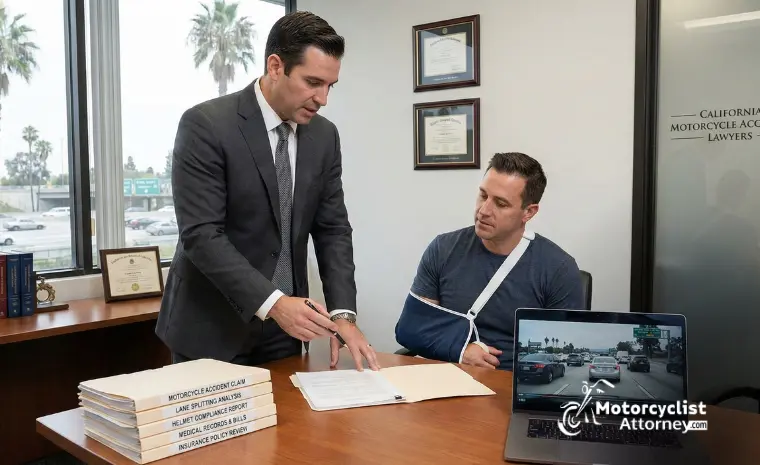
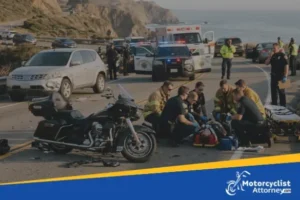
Motorcyclists lack the physical protection of a vehicle frame, airbags, and reinforced steel. As a result, motorcyclist injuries are often catastrophic.
Research published on NCBI in 2023 shows that head injuries were the most frequent trauma in motorcycle crashes, accounting for 43.6% of cases. Injury Severity Scores ranged widely, from minor trauma to extremely critical conditions.
Common severe injuries include:
- Brain injury
- Spinal cord injuries
- Multiple fractures
- Internal organ damage
- Severe road rash
These injuries lead to:
- Extensive medical treatment
- Long-term rehabilitation
- Permanent disability
- Future lost earning capacity
Unlike minor vehicle accidents, these claims require documentation of both current medical expenses and projected care needs. This increases the claim value and also raises resistance from insurers.
Bias Against Motorcyclists in Insurance and Jury Perception
Motorcycle riders often face unfair assumptions.
Adjusters may suggest the rider was reckless. Jurors may unconsciously associate motorcycles with risk-taking behavior. These perceptions can influence settlement discussions and trial outcomes.
This is where insurance tactics become especially aggressive. Carriers may:
- Argue that the rider was speeding without evidence
- Minimize injuries despite clear medical records
- Claim the motorcyclist failed to follow traffic laws
- Delay the insurance claim process
Overcoming bias requires strong evidence, including:
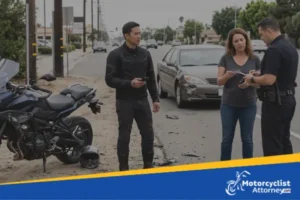
- Police reports
- Witness statements
- Video or photos
- Expert analysis
Clear documentation is critical in countering insurance disputes.
Lane Splitting and Unique Liability Questions
California law permits lane splitting under certain conditions. However, many drivers—and even some adjusters—do not fully understand the rules.
When lane splitting is involved, liability becomes more nuanced. Questions often include:
- Was the motorcycle rider traveling at a safe speed?
- Did the driver make an unsafe lane change?
- Were traffic laws violated?
Insurance companies frequently use lane splitting to argue comparative negligence. Even if the rider was legally splitting lanes, carriers may attempt to shift some of the blame to reduce payouts.
Establishing fault may require accident reconstruction experts and a detailed review of road traffic patterns. These cases demand careful analysis under personal injury law.
Catastrophic Injury Valuation Challenges
Motorcycle crashes frequently result in life-altering harm.
When injuries involve permanent impairment, valuation becomes complex. Motorcycle accident claims must account for:
Damage Type | Examples |
Economic damages | medical expenses, loss of wages, property damage |
Non-economic damages | emotional distress, pain, and suffering |
Future losses | future lost earning capacity, long-term care |
Severe trauma cases often require life-care planning experts. Adjusters may question long-term projections. This is another area where insurance tactics can significantly impact recovery.
For an injured motorcyclist, undervaluing future care can mean financial hardship years later.
Helmet Use and the “Helmet Defense” Argument
Helmet use is required under California law. Even when riders comply, disputes still arise.
If a motorcycle rider was not wearing a helmet, insurance companies may argue that helmet non-use contributed to head injuries. This is often called the “helmet defense.”
However:
- Not all injuries are head injuries
- A helmet does not prevent every brain injury
- Liability for causing the crash remains separate from injury severity
Motorcycle helmet safety plays a role in damage evaluation, but it does not automatically eliminate a valid personal injury claim.
Medical records and trauma assessments become central to resolving these disputes.
Multi-Party and Commercial Vehicle Involvement
Motorcycle crashes often involve more than one liable party.
Examples include:
- Commercial trucks
- Rideshare drivers
- Government entities (dangerous road conditions)
- Vehicle manufacturers (defective parts)
When commercial insurance policies are involved, the legal process becomes more technical. Large policies mean larger exposure, which often leads to more aggressive insurance tactics.
Claims may require:
- Corporate liability analysis
- Employer responsibility review
- Examination of maintenance records
- Evaluation of legal deadlines
Missing filing timelines can permanently bar recovery.
Working with a California motorcycle accident lawyer ensures proper investigation and compliance with legal deadlines.
Steps to Take Following a Motorcycle Accident
If you are involved in a crash:
- Seek immediate medical treatment.
- Document the scene with video or photos.
- Obtain police reports.
- Collect witness statements.
- Avoid discussing fault with insurers.
- Preserve all medical records.
- Consult a California motorcycle accident lawyer before giving recorded statements.
Motorcycle accident injury claims require precision from day one. Early mistakes can reduce compensation.
Frequently Asked Questions
Motorcycle crashes typically cause more severe injuries. Higher medical bills, longer recovery periods, and permanent disability increase claim value.
Possibly. If insurers argue comparative negligence, your recovery may be reduced by your percentage of fault. Proper evidence is critical.
You may seek compensation for medical expenses, loss of wages, property damage, economic damages, non-economic damages, and other long-term impacts.
In most cases, you have two years from the date of the accident to file a personal injury lawsuit in California (California Code of Civil Procedure §335.1). However, if your claim involves a government entity, such as a poorly maintained road or a government vehicle, you must first file a government tort claim within six months of the incident before you can pursue a lawsuit. Missing either deadline can permanently bar you from recovering any compensation, regardless of how strong your case is. If the injured rider is a minor, different rules may apply.
When the Stakes Are High, Your Legal Strategy Matters
Motorcycle cases are not simply “car crashes without doors.” They involve complex liability questions, catastrophic injury valuation, and persistent insurance tactics designed to limit payouts.
From lane splitting disputes to helmet arguments, these cases demand careful strategy. The stakes are high for every injured motorcyclist.
If you or a loved one was hurt in a crash, speak with a California motorcycle accident lawyer who understands how to navigate motorcycle accident claims and push back against insurance tactics. At Motorcyclist Attorney, we offer a free consultation to review your case, explain your options, and protect your financial recovery.